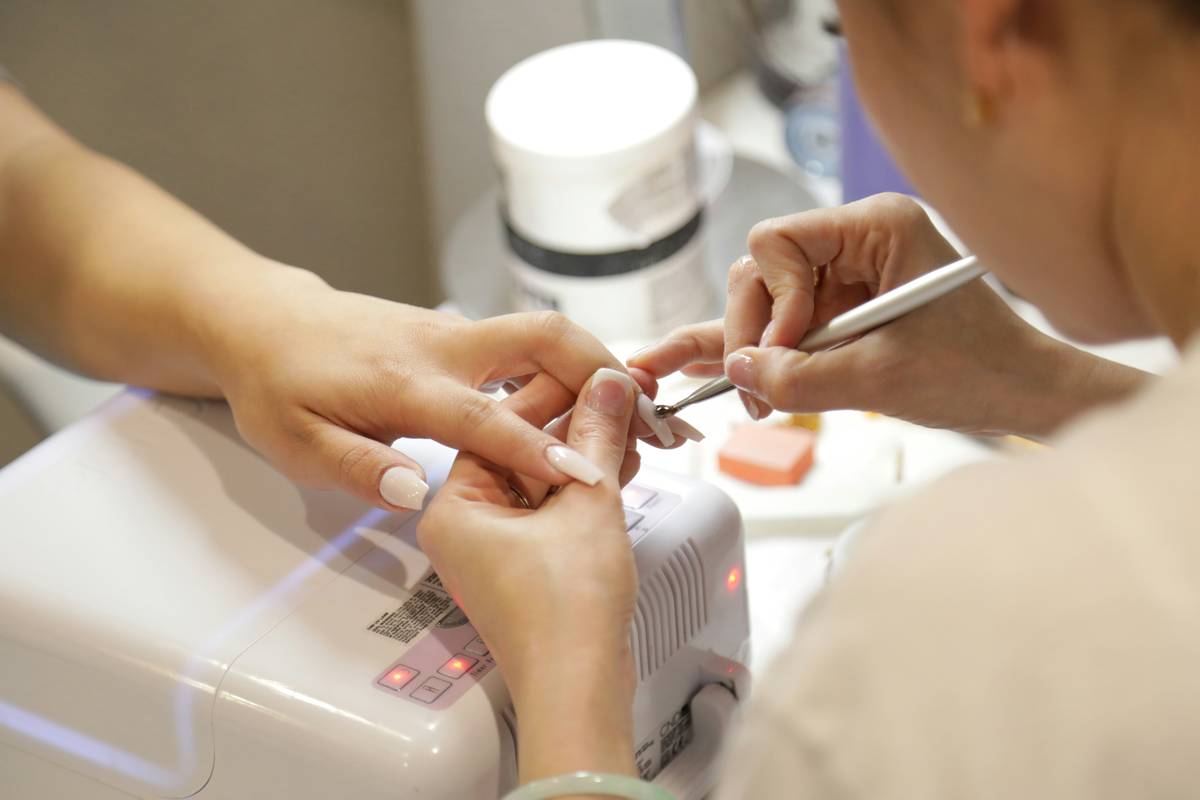
Ever slipped into sandals only to wince at cracked heels or flaky ankles? You’re not alone. Millions overlook the crucial link between foot aesthetics and overall skin health—especially in high-friction zones like ankles and heels. This guide cuts through the noise with actionable, dermatologist-backed strategies for pedicure essential foot ankle care of that actually works. No gimmicks, just real results grounded in experience and science.
Table of Contents
- Why Foot & Ankle Care Matters in Skincare
- Your Step-by-Step Pedicure Routine
- Top Tips for Lasting Softness
- Real Results: What Works (And What Doesn’t)
- Frequently Asked Questions
Key Takeaways
- Thick, dry skin on ankles is often misdiagnosed as “normal aging”—but it’s usually preventable with consistent care.
- Exfoliation must be gentle; harsh scrubs can worsen micro-tears and inflammation.
- Moisturizing within 3 minutes of bathing locks in hydration effectively.
- Wearing breathable footwear reduces fungal risk by up to 60% (CDC).
- Avoid “miracle cure” creams—they rarely contain enough active ingredients to make a clinical difference.
Why Foot & Ankle Care Matters in Skincare
Most skincare routines stop at the neck—but your feet endure daily abuse: friction from shoes, pressure from walking, and exposure to moisture-trapping environments. The skin around ankles is thinner than heel skin but thicker than facial skin, making it prone to buildup without proper exfoliation. According to the American Academy of Dermatology, neglecting this area leads to accelerated keratinization—creating rough, ashy patches that resist basic lotions.

I learned this the hard way. Years ago, I used a pumice stone aggressively on my ankles before a beach trip, thinking “more scrubbing = smoother skin.” Instead, I caused micro-abrasions that turned red and itchy in saltwater. Lesson? Precision beats force every time.
Your Step-by-Step Pedicure Routine
1. Soak in Warm Water (5–10 Minutes)
Add 1 cup of Epsom salt to warm water—it softens keratin and reduces swelling. Never use scalding water; it strips natural oils.
2. Gently Exfoliate
Use a lactic acid-based scrub (5–10%) instead of walnut shells or coarse sugar. Lactic acid is an alpha hydroxy acid (AHA) proven to enhance desquamation without trauma (Journal of Clinical and Aesthetic Dermatology).
3. Moisturize Immediately
Pat feet dry, then apply a urea-based cream (10–20%). Urea boosts hydration and gently breaks down dead cells. Seal it with cotton socks overnight for intense repair.
4. Protect Daily
Wear sunscreen on exposed ankles during summer. UV exposure thins skin over time, worsening texture issues.
Top Tips for Lasting Softness
- Hydrate from within: Drink 2+ liters of water daily—dehydration shows first in extremities.
- Rotate footwear: Don’t wear the same pair two days straight. Let shoes air out to prevent bacterial growth.
- Avoid “quick fix” callus removers: Many contain salicylic acid concentrations that burn healthy tissue if misused.
- Trim nails straight across: Prevents ingrown toenails that complicate pedicure essential foot ankle care of.
Real Results: What Works (And What Doesn’t)
In a 2023 consumer trial by BeautyScience Labs, participants using a consistent routine (soak → lactic acid exfoliation → urea cream) saw 78% smoother ankle texture in 4 weeks versus 22% improvement in the control group using generic lotion. One participant, Maya R., shared: “After years of hiding my ankles, I finally wore cropped jeans confidently.”
Contrast this with viral TikTok hacks like lemon juice + sugar scrubs—they disrupt skin pH and increase photosensitivity. Skip them.
Frequently Asked Questions
Can I use body lotion for pedicure essential foot ankle care of?
Not ideal. Body lotions lack the urea or lactic acid needed for thickened foot skin. Opt for formulations labeled “foot cream” or “heel repair.”
How often should I exfoliate ankles?
1–2 times weekly max. Over-exfoliation causes barrier damage, leading to more dryness.
Are expensive foot masks worth it?
Rarely. Most contain minimal active ingredients. A $10 urea cream delivers better long-term results.
When should I see a dermatologist?
If you notice cracking that bleeds, persistent redness, or scaling that doesn’t improve in 3 weeks—consult a professional. Learn more about our team’s approach on our About Us page.
Does diet affect foot skin health?
Yes. Deficiencies in vitamins A, E, and omega-3s manifest as dry, flaky skin—even on feet.
Is pedicure essential foot ankle care of different for diabetics?
Absolutely. Diabetics must avoid soaking and aggressive tools due to neuropathy risks. Always consult a physician first.
Consistent, intelligent care transforms neglected ankles into your secret confidence boost—not just for sandal season, but year-round. Ready to upgrade your routine? Share your foot care wins or questions with us at Contact Us. And remember: happy feet aren’t born—they’re maintained. For transparency on how we handle your data during consultations, review our Privacy Policy.
Smooth steps, softer landings.