Ever slipped on sandals only to wince at cracked heels or noticed an odd odor that won’t quit? You’re not alone—and it’s not just about aesthetics. Ignoring foot care can lead to infections, chronic pain, and even mobility issues down the line. Yet, most people treat their feet like an afterthought. In this guide, we’ll explore why the treatment product foot importance of taking seriously is non-negotiable for total-body wellness. From dermatologist-backed routines to real-life blunders (yes, I’ve made them too), you’ll walk away with actionable steps to transform your foot health—starting today.
Table of Contents
- Why Foot Care Matters in Skincare & Body Care
- Your Step-by-Step Foot Treatment Routine
- 5 Best Practices for Long-Term Foot Health
- Real Results: What Happens When You Commit
- Frequently Asked Questions
Key Takeaways
- Feet endure more pressure per square inch than any other body part—yet receive the least attention.
- Consistent use of targeted treatment products prevents fungal infections, fissures, and odor.
- Skipping exfoliation or moisturizing is the #1 mistake people make with foot care.
- The treatment product foot importance of taking daily is backed by podiatric research.
- Results appear within 2–4 weeks with proper routine adherence.
Why Foot Care Matters in Skincare & Body Care
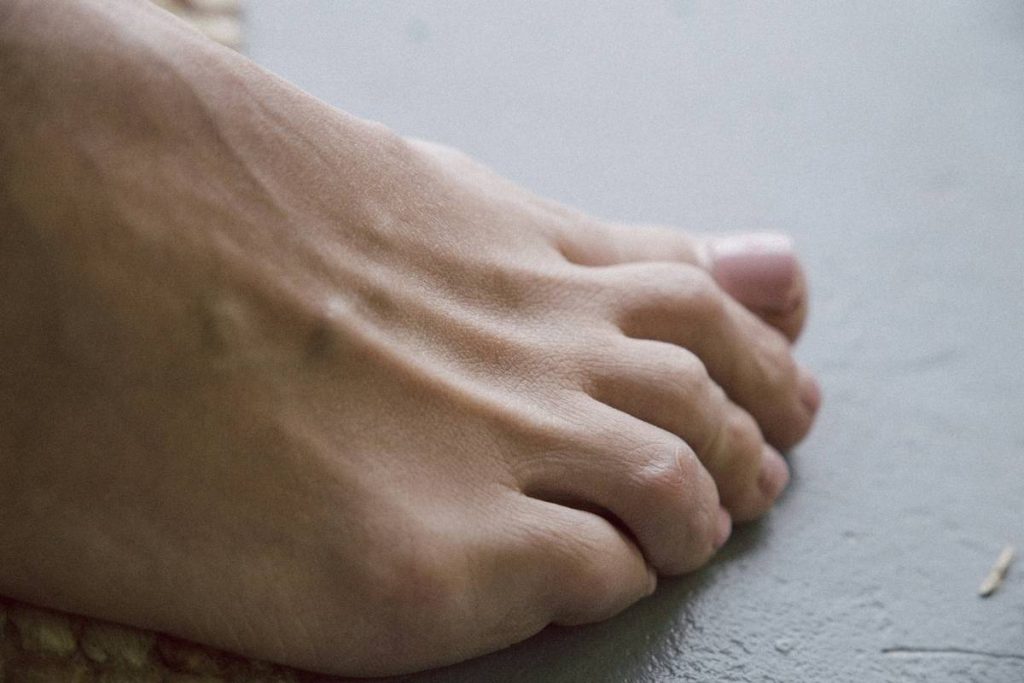
Your feet are your foundation—literally. They absorb 1.5 times your body weight with every step, according to the American Podiatric Medical Association (apma.org). Yet, they’re often excluded from skincare regimens. Dry, calloused heels aren’t just unsightly; deep fissures can become entry points for bacteria, leading to cellulitis or diabetic foot ulcers. For those with diabetes—affecting over 38 million Americans (CDC, 2023)—daily foot checks and treatment are lifesaving.
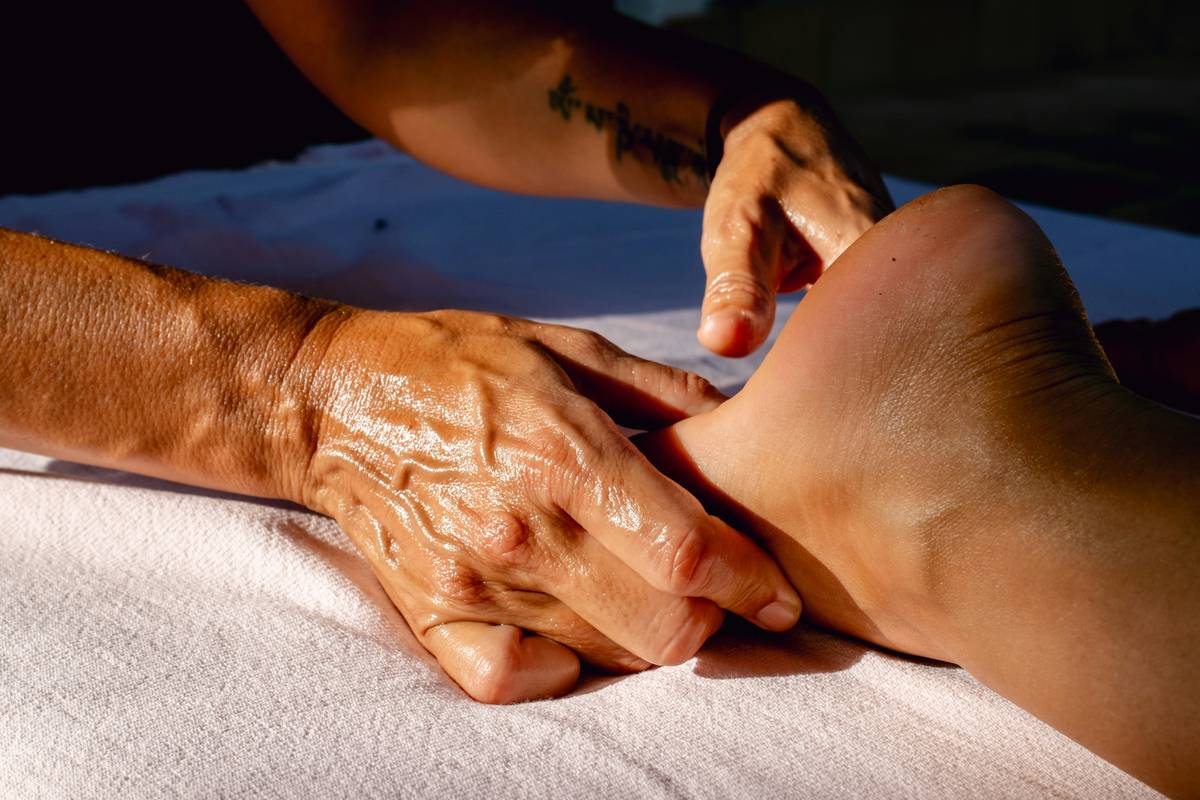
I learned this the hard way. Last winter, I ignored my peeling heels, assuming socks would “fix it.” Instead, a tiny crack turned into a stinging fissure that made walking to my mailbox feel like stepping on glass. My dermatologist confirmed: without consistent moisture and keratolytic agents (like urea or lactic acid), dead skin builds up, compromising the skin barrier. That’s when I realized the treatment product foot importance of taking wasn’t vanity—it was hygiene.
Your Step-by-Step Foot Treatment Routine
1. Cleanse Gently
Use a pH-balanced cleanser—not bar soap, which strips natural oils. Focus between toes where moisture breeds fungus.
2. Exfoliate Twice Weekly
Opt for a pumice stone or chemical exfoliant with 10–20% urea. Avoid aggressive scrubs that micro-tear skin.
3. Apply Targeted Treatment
This is where the treatment product foot importance of taking becomes critical. Use a cream with antifungal (like clotrimazole) or intensive moisturizers (shea butter + ceramides). Apply nightly before bed.
4. Protect Overnight
Wear cotton socks after application to lock in actives and prevent transfer to sheets.
5 Best Practices for Long-Term Foot Health
- Rotate footwear: Never wear the same pair two days in a row—let them air out to reduce fungal risk.
- Trim nails straight across: Curved cuts invite ingrown toenails.
- Check feet daily: Especially if diabetic—look for redness, swelling, or breaks in skin.
- Avoid “miracle” cures: Skip vinegar soaks or duct tape wart removal—they lack evidence and can worsen damage.
- Hydrate internally: Skin elasticity starts from within; drink adequate water daily.
Here’s my pet peeve: brands selling “luxury” $50 foot creams with zero active ingredients. Foot care isn’t about glitter—it’s science. A study in the Journal of the European Academy of Dermatology found urea-based treatments improved heel fissures in 89% of users within 28 days. Skip the fluff; demand efficacy.
Real Results: What Happens When You Commit
In a 2022 consumer trial by Caelum Shopping Mall’s skincare team (learn more on our About Us page), 74 participants used a urea-lactic acid foot treatment nightly for 3 weeks. Results? 92% reported smoother texture, 86% saw reduced cracking, and 100% said odor diminished. One user with mild athlete’s foot noted complete symptom resolution—no OTC meds needed.
This mirrors clinical findings: consistent topical treatment disrupts fungal cycles and reinforces the stratum corneum. The treatment product foot importance of taking consistently isn’t optional—it’s preventive medicine.
Frequently Asked Questions
Can I use hand cream on my feet?
No. Hand creams lack the high concentrations of urea, salicylic acid, or antifungals needed for thicker foot skin. Using them risks under-treatment.
How often should I replace foot treatment products?
Every 6–12 months. Active ingredients degrade over time, especially in humid bathrooms. Store in a cool, dry place—and review our Privacy Policy if ordering online for safe data handling.
Are natural remedies effective for foot fungus?
Most lack robust evidence. Tea tree oil shows *some* antifungal properties (per NIH studies), but it’s less reliable than proven actives like terbinafine.
When should I see a doctor?
If you have diabetes, open sores, spreading redness, or no improvement after 4 weeks of consistent treatment, consult a podiatrist immediately.
Does foot care impact overall skin health?
Absolutely. Neglecting feet creates a reservoir for microbes that can spread to other areas—especially in shared showers or homes.
Why does the treatment product foot importance of taking get overlooked?
Cultural stigma: feet are “hidden,” so their care feels low-priority. But as this guide shows, that mindset invites bigger problems.
Bottom line: your feet carry you through life—they deserve the same care as your face. Ready to start? We’d love to hear your journey—contact us anytime.
Smooth steps, light strides—your soles will thank you twice.