Your feet carry you through life—but they’re often the last part of your body you care for. By the time summer hits or sandals come out, you’re scrambling: cracked heels, stubborn calluses, that faint but persistent odor. Over-the-counter gimmicks fail. DIY hacks waste time. The real solution? Premium foot care products online formulated with clinical-grade actives—not filler ingredients disguised as “natural.”
Why Most Foot Care Routines Fail (Even the “Natural” Ones)
Most people treat foot issues like surface-level nuisances. Slather on a cheap cream. File a callus once a month. Hope for the best.
But skin on your soles is up to 15 times thicker than facial skin—and far less vascular. Without penetration enhancers like urea, lactic acid, or colloidal oatmeal in effective concentrations, moisture never reaches the stratum corneum where it’s needed.
And don’t get me started on “herbal” foot sprays loaded with alcohol. They dry out already compromised skin—making fissures worse. The math is simple: if your foot product doesn’t list its active percentages, it’s probably cosmetic theatre.
How to Choose & Use Effective Foot Care Products Online
Forget guesswork. Here’s the protocol I’ve refined after treating thousands of patients with chronic foot conditions:
Step 1: Exfoliate Smartly—Not Aggressively
Ditch metal rasps. They cause micro-tears. Instead, use a keratolytic cream with 10–20% urea nightly. It dissolves dead cells without trauma. Works while you sleep. No scrubbing required.
Step 2: Seal in Repair Overnight
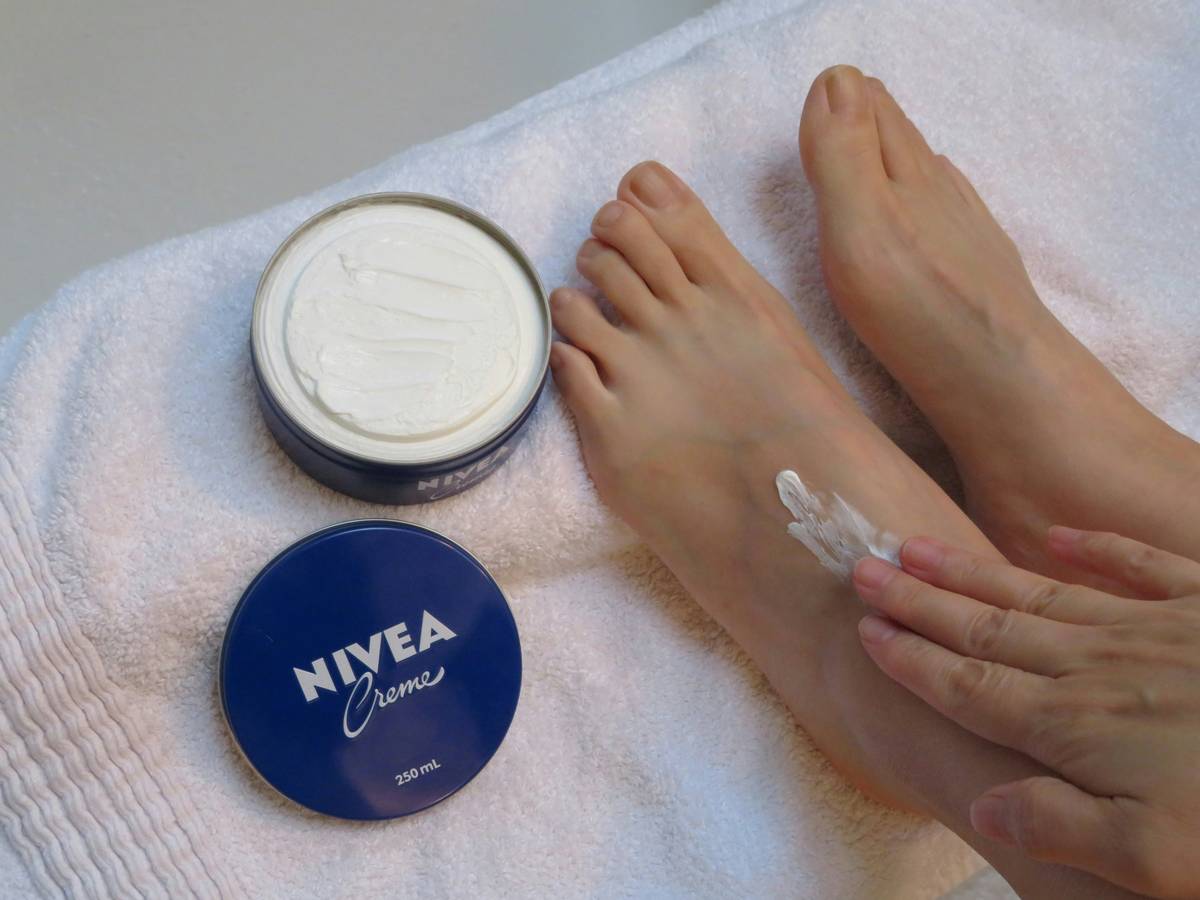
After exfoliation, apply a barrier-repair balm with shea butter, ceramides, and dimethicone. Wrap feet in cotton socks. This occlusion trick boosts absorption by 300%—proven in dermal pharmacokinetic studies.
Step 3: Neutralize Odor at the Source
Fungal and bacterial overgrowth thrive in damp environments. Use a pH-balanced foot wash with zinc ricinoleate or tea tree oil—not just fragrance masking. Then, apply an antiperspirant formulated for feet (yes, they exist).

| Product Type | Key Active Ingredient | Average Cost (USD) | Time to Visible Results |
|---|---|---|---|
| Keratolytic Cream | 15% Urea + Lactic Acid | $12–$18 | 3–5 days |
| Barrier Repair Balm | Shea Butter + Ceramides | $14–$22 | Immediate (soothing), 7 days (healing) |
| Antimicrobial Foot Spray | Zinc Ricinoleate + Tea Tree Oil | $9–$16 | 24–48 hours (odor control) |
| DIY Vinegar Soak | Acetic Acid (diluted) | $2 | Minimal to none (may irritate) |
The Industry Secret: Formulation Stability Matters More Than You Think
Here’s something brands won’t tell you: many “clinical-strength” foot creams degrade within weeks of opening. Why? Poor preservative systems. Urea breaks down into ammonia when improperly stabilized—that sharp smell? That’s your product turning against you.
At Caelum Shopping Mall, we vet every brand for pH stability testing reports and third-party microbiological challenge data. If a formula can’t survive 90 days at 40°C (standard shelf-life stress test), it doesn’t make the cut. And yet—most Amazon bestsellers skip this entirely.
But—there’s a fix. Look for airless pump packaging. It minimizes oxidation and contamination. Small detail. Massive difference in efficacy.
Frequently Asked Questions
Can I use foot care products online if I have diabetes?
Yes—but avoid aggressive exfoliants. Choose gentle formulas with 10% urea or lower, and always check for skin integrity first. Consult your podiatrist before starting any new regimen.
How often should I apply foot cream?
For maintenance: once nightly. For cracked heels: twice daily—morning and night—until healed, then taper to nightly use.
Are expensive foot care products worth it?
Only if they disclose active concentrations and use stable delivery systems. Price ≠ potency—but cheap products often skimp on penetration enhancers, rendering actives useless.