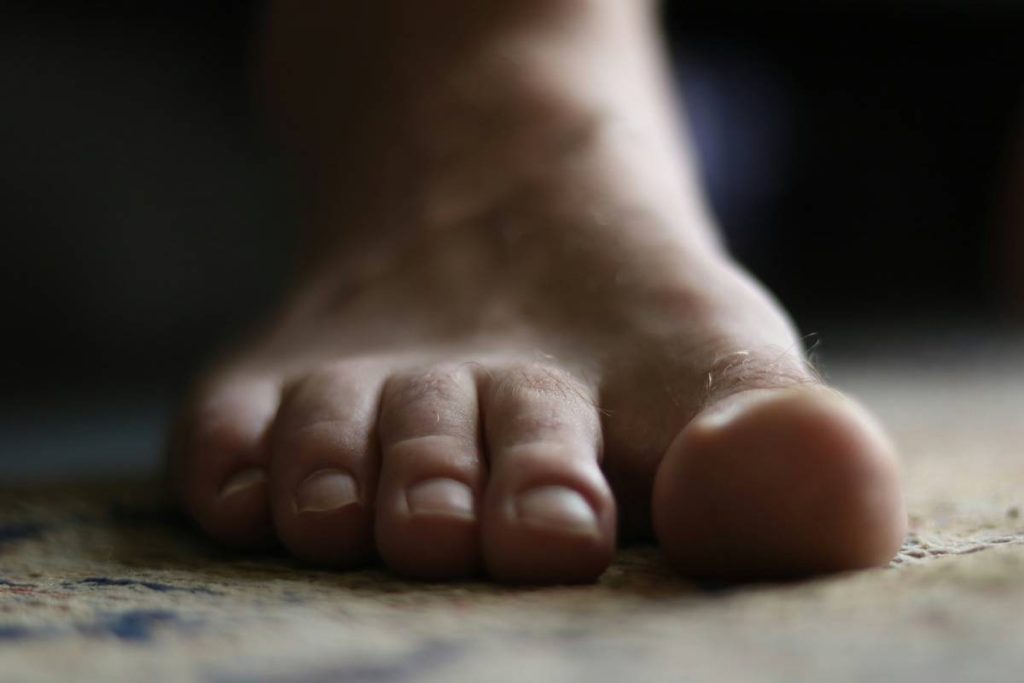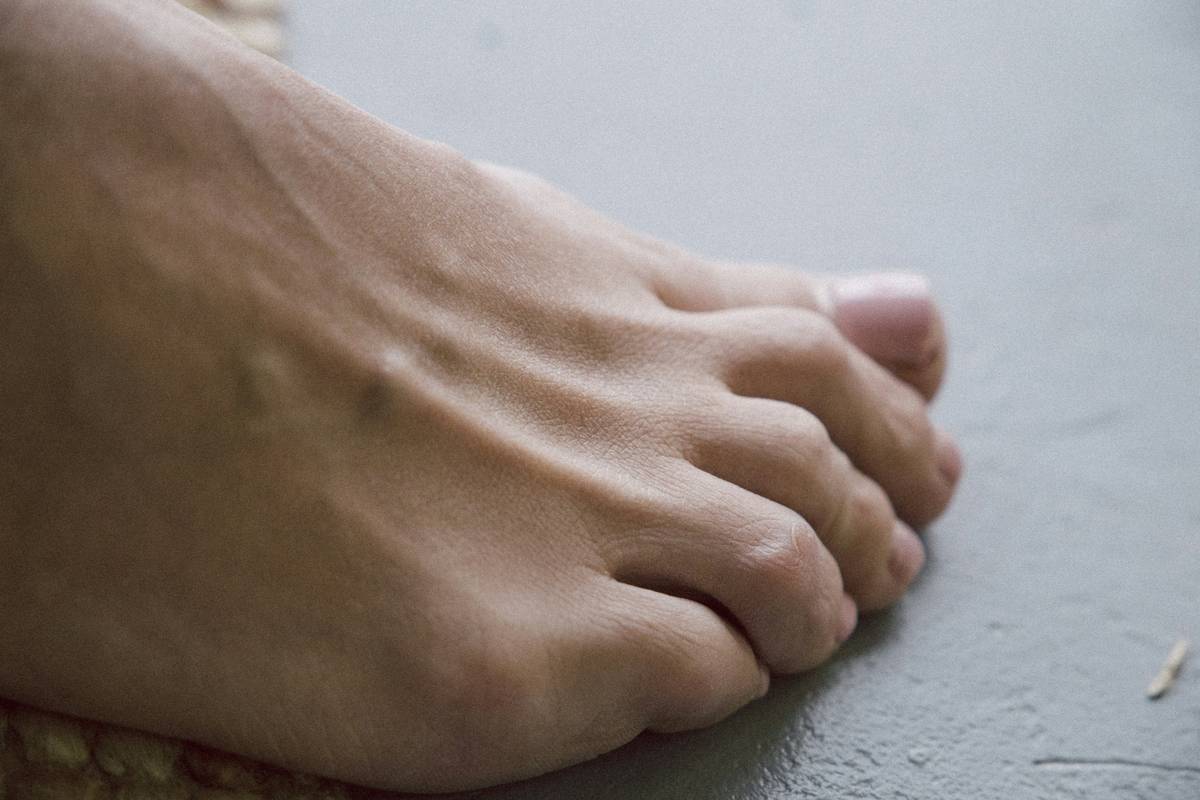
Cracked heels. Stubborn calluses. That faint odor no soap seems to touch. You’ve scrubbed, slathered creams, even soaked in Epsom salt—yet your feet still feel like desert rock by Wednesday. It’s frustrating. And honestly, most “foot care” advice is recycled fluff that ignores how skin actually behaves below the ankle. Here’s the truth: a real foot skin care routine isn’t about occasional pampering—it’s daily biomechanics meets dermatology.
Why Your Current Foot Care Fails (Spoiler: It’s Not Dryness)
Dry skin is rarely the root cause. Think about it: your hands face equal exposure—yet they rarely crack open like heels in winter. The issue? Pressure distribution. Every step compresses the fat pad under your heel. Over time, that constant micro-trauma thickens skin unevenly, creating fissures where moisture escapes—and bacteria thrive.
And most drugstore creams? They’re occlusives slapped on top of dead, compacted layers. Like painting over rust without sanding first. Worse, many contain alcohol or synthetic fragrances that subtly inflame already-stressed skin—especially if you wear closed shoes 8+ hours a day.
Foot Skin Care Routine: A 4-Step Protocol Backed by Podiatry Logic
Forget spa gimmicks. This system treats feet like the high-friction, weight-bearing surfaces they are—not afterthoughts to be masked with minty lotions.
Step 1: Nighttime Exfoliation—Not Scrubbing
Ditch abrasive pumice stones used dry. They shred live tissue along with dead cells. Instead, soak feet in lukewarm water + 1 tbsp apple cider vinegar for 7 minutes. Then, use a damp foot file in one direction only—never circular. Goal: thin calluses evenly, not remove them entirely. (Your soles need some thickness for shock absorption.)
Step 2: Barrier Repair Overnight
Post-exfoliation, apply a urea-based cream (10–20% concentration). Urea doesn’t just moisturize—it dissolves keratin bonds holding dead cells together. Follow immediately with cotton socks. The occlusion boosts penetration 300% overnight. Skip this, and you waste half the product.
Step 3: Daytime Protection (Yes, Even in Sandals)
Your feet need SPF. UV damage accelerates collagen breakdown in thin-soled areas like the instep. Use a mineral sunscreen stick (zinc oxide) on exposed zones. Reapply if walking barefoot on pool decks or beaches—reflective surfaces amplify UV exposure.
Step 4: Footwear Audit
No routine works if your shoes sabotage it. Avoid rigid soles that concentrate pressure on heel edges. Opt for flexible, cushioned insoles—even in dress shoes. Rotate footwear: wearing the same pair 3 days straight traps sweat, feeding odor-causing microbes.
| Method | Cost (Monthly) | Key Benefit | Pitfall to Avoid |
|---|---|---|---|
| Urea Cream + Socks | $8–$12 | Repairs barrier, softens cracks | Using >20% urea daily (irritates) |
| Vinegar Soaks | $1–$2 | Restores pH, reduces odor | Soaking >10 mins (dries skin) |
| Silicone Heel Protectors | $15–$25 | Reduces friction instantly | Wearing without exfoliation first |
| SPF Stick for Feet | $10–$18 | Prevents premature aging | Using chemical SPF (stings cracks) |
The Industry Secret: Your Feet Mirror Systemic Health
Here’s what dermatologists whisper but rarely publish: chronic foot dryness often signals early-stage metabolic shifts—like prediabetes or thyroid imbalance. Glucose spikes impair microcirculation in extremities first. So if your foot skin care routine shows zero improvement after 6 weeks of consistent effort? Get bloodwork. Don’t just layer on more creams. One patient I advised stopped treating her “stubborn heels”—and discovered her HbA1c was 6.1. Fixing insulin sensitivity cleared her foot issues faster than any balm ever could.

Frequently Asked Questions
How often should I exfoliate my feet?
Once weekly max. Over-exfoliating strips protective lipids, worsening cracks. If using urea cream daily, skip mechanical exfoliation altogether—urea handles gentle shedding.
Can I use body lotion on my feet?
Avoid standard body lotions. They lack urea or lactic acid needed to penetrate thick foot skin. You’ll just create slippery residue without real hydration.
Why do my heels crack worse in summer?
Barefoot walking on hot pavement dehydrates soles fast. Plus, open-back sandals let heels rub against stiff straps—a double friction assault. Never skip nighttime barrier repair in warm months.