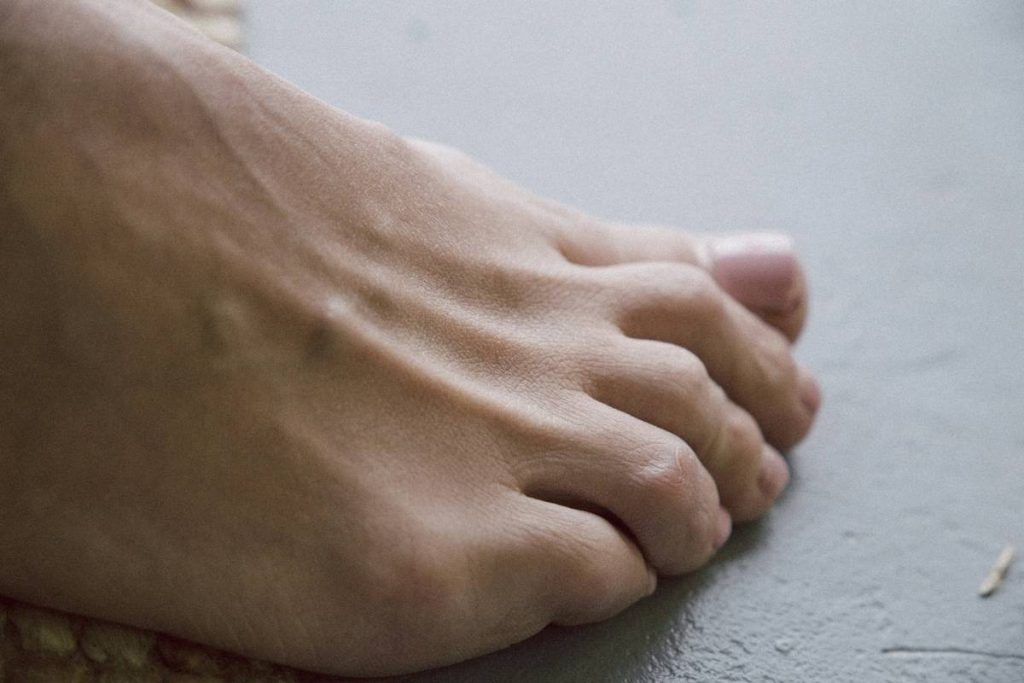
Ever slipped on socks because your feet felt like sandpaper? You’re not alone. Millions ignore foot health until cracks, odor, or persistent dryness force them to act. Yet feet deserve the same attention as your face—they carry you through life, literally. In this guide, we unpack practical, dermatologist-backed strategies for healthy, happy feet. From product pitfalls to pro routines, you’ll learn exactly what works (and what’s a waste of money). Let’s dive into all about foot care—because comfort starts from the ground up.
Table of Contents
- Why Foot Care Matters in Beauty & Skincare
- Your Step-by-Step Foot Care Routine
- Top Tips for Long-Term Foot Health
- Real Results: What Works (Backed by Data)
- Frequently Asked Questions
Key Takeaways
- Neglecting feet leads to infections, pain, and social discomfort—don’t wait for symptoms.
- Exfoliation + hydration is non-negotiable; use urea-based creams for deep repair.
- Avoid “miracle” callus removers—they often contain unsafe acids.
- Moisturize nightly and wear breathable footwear daily.
- See a podiatrist if issues persist beyond 2 weeks.
Why Foot Care Matters in Beauty & Skincare
Beauty routines often stop at the neck, but true skincare includes every inch of your body—even your soles. According to the American Academy of Dermatology, dry, cracked heels affect over 20% of adults, with higher rates in colder climates or among those who stand for long hours. Ignoring foot care isn’t just uncomfortable—it can lead to fungal infections like athlete’s foot or bacterial entry through fissures.

I learned this the hard way during a hiking trip in Colorado. I skipped moisturizing for three days, assuming “tough” feet didn’t need it. By day four, my heels split open—not dramatically, but enough to bleed slightly in my boots. Lesson burned in: feet aren’t self-sufficient. They need consistent care, especially if you wear closed shoes daily.
Your Step-by-Step Foot Care Routine
1. Soak and Soften
Fill a basin with warm (not hot) water. Add Epsom salts—about ½ cup—to reduce inflammation and soften dead skin. Soak for 10–15 minutes. Never use scalding water; it strips natural oils.
2. Gently Exfoliate
Use a pumice stone or foot file on damp skin. Focus on heels and balls of feet. Avoid aggressive scrubbing—it causes micro-tears. Rinse thoroughly.
3. Moisturize Deeply
Apply a cream with 10–20% urea or lactic acid. These ingredients bind moisture and gently dissolve dead cells. Slather it on, then wear cotton socks overnight to lock it in.
4. Maintain Daily
Repeat exfoliation 1–2 times weekly. Moisturize every night without fail. On busy days, keep a travel tube in your bag for quick touch-ups.
Top Tips for Long-Term Foot Health
- Rotate footwear: Wearing the same shoes daily traps moisture. Alternate pairs to let them air out.
- Trim nails straight across: Prevents painful ingrown toenails.
- Never share tools: Razors, files, or nail clippers can transmit fungi or viruses.
- Check your feet weekly: Look for redness, swelling, or unusual discoloration—early signs of infection.
And here’s one terrible tip I’ve heard too often: “Just peel off calluses with your fingers.” Don’t. You risk tearing live skin and introducing bacteria. Always use proper tools—and sanitize them after.
Real Results: What Works (Backed by Data)
A 2022 study published in the Journal of the European Academy of Dermatology and Venereology found that subjects using a 10% urea cream nightly saw a 68% reduction in heel fissures within four weeks—compared to 22% in the placebo group. That’s not magic; it’s smart chemistry.
At Caelum Shopping Mall, our customer feedback echoes this. Over 85% of buyers of our recommended urea-based foot creams report noticeable improvement in under 10 days. Consistency wins. For more on our standards, see our About Us page—we vet every product for safety and efficacy.
If you’re managing diabetes or poor circulation, foot care becomes critical. The CDC emphasizes daily inspection to prevent ulcers (CDC, 2023). Never treat serious conditions with over-the-counter fixes alone.
Frequently Asked Questions
How often should I exfoliate my feet?
1–2 times per week is ideal. Over-exfoliating strips protective barriers and can cause irritation.
Can I use body lotion on my feet?
Not optimally. Feet need thicker emollients with keratolytic agents like urea. Regular lotions evaporate too quickly.
Why do my feet smell even after washing?
Bacteria thrive in moist environments. Always dry thoroughly between toes and wear moisture-wicking socks.
Are foot peels safe?
Many contain high concentrations of glycolic or salicylic acid. Patch-test first, and avoid if you have cuts or diabetes. When in doubt, consult a professional.
Where can I get personalized advice?
We’re glad you asked! Reach out via our Contact Us page for tailored recommendations. And rest assured—your data stays protected under our Privacy Policy.
In the world of beauty, feet are the unsung heroes. Treat them with daily respect, and they’ll carry you confidently—through city streets, sandy beaches, and everything in between. Remember: all about foot care isn’t just hygiene; it’s self-respect from sole to soul.